Engineering, Designing & Manufacturing of CGD Equipment
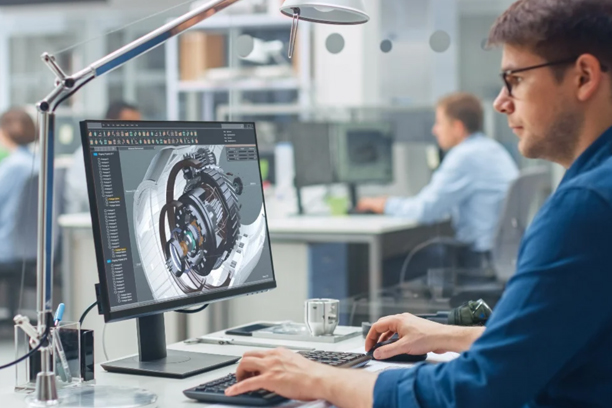
- User-Centered Problem Solving: It begins by identifying real user pain points and translating those needs into practical, functional solutions that balance user experience (UX) with ergonomic and visual appeal.
- Design for Manufacturability (DFM): It bridges the gap between creative concept and commercial reality by ensuring products can be produced efficiently, cost-effectively, and at scale without compromising quality or performance.
- Iterative Prototyping & Testing: Design and engineering teams continuously test, validate, and refine physical or digital prototypes to uncover flaws, optimize functionality, and ensure structural or software integrity before mass production.
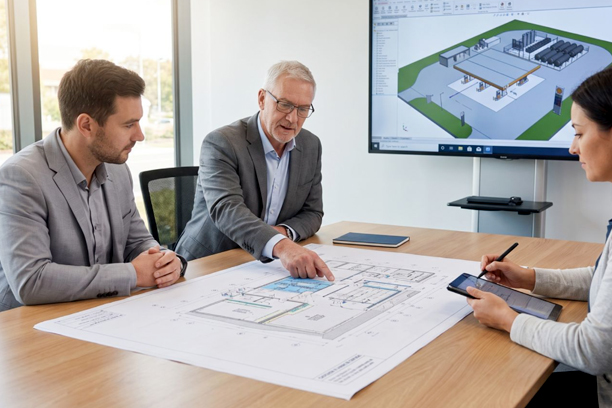
- Expert Oversight & Advisory: Consultancies bring specialized, objective expertise to help organizations plan, execute, and govern complex projects without needing to build that capacity permanently in-house.
- Risk Mitigation & Control: Consultants set up robust monitoring frameworks to track scope, budget, and timelines—identifying potential bottlenecks and regulatory risks before they cause costly delays.
- Process Optimization & Best Practices: They introduce standardized methodologies (such as Agile, Waterfall, or Hybrid frameworks) and digital tools to streamline workflows and boost team efficiency.
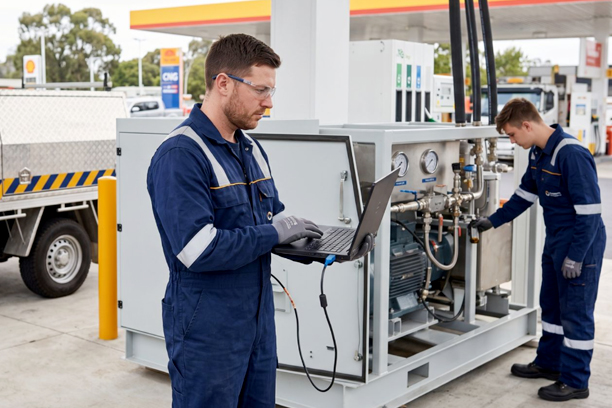
- SPARK has adequate number of technically qualified personnel with experience in Commissioning, and Operation and Maintenance (O&M) of Natural Gas Pipeline, Natural Gas Installation including Gas Compressor, CGD Network, CGD Installations such as CGS, CNG Station, MRS, DRS and other CGD Equipment.
- Our Maintenance is undertaken either as part of a routine preventive planned process, or as a reaction to breakdown situation. All equipment on the gas distribution network is included in the routine preventive scheduled maintenance plan.
- The frequency of these routine preventive maintenance activities is determined as per original equipment manufacturer (OEM) guidelines, applicable codes and standards, and industry best practices.
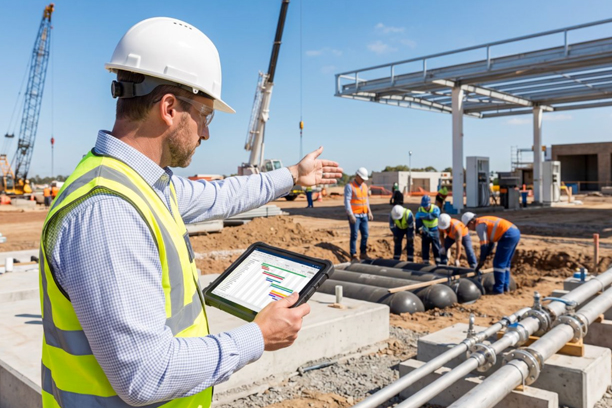
- Precision Setup & Assembly: Installation ensures that equipment, machinery, or systems are placed, mounted, and connected—whether piping, electrical, or structural—strictly according to engineering specifications and manufacturer standards.
- System Testing & Validation: Commissioning takes over after physical setup to verify that all components operate safely, correctly, and within designated performance tolerances under real-world operating conditions.
- Safety & Regulatory Compliance: The process enforces strict safety protocols, environmental guidelines, and industry standards, mitigating operational hazards and preventing premature system failure.
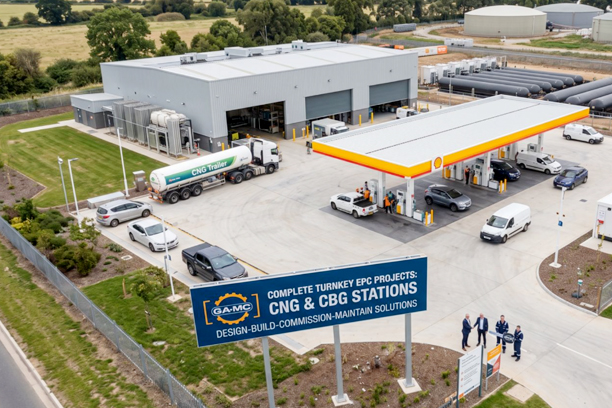
- End-to-End Single-Point Responsibility: Under a Turnkey EPC (Engineering, Procurement, and Construction) model, a single contractor manages every phase—from initial design and site layout to civil works, equipment sourcing, and final handover—simplifying project governance for the owner.
- Integrated System Engineering: It covers the seamless integration of high-pressure gas compressors, purification units (like biogas upgrading for CBG), cascading storage cylinders, dispenser units, and safety shut-off systems to ensure optimal gas flow and pressure control.
- Regulatory Approvals & Safety Compliance: EPC providers handle complex statutory clearances, environmental permits, and hazardous-area safety standards (such as PESO guidelines, fire safety, and gas leakage monitoring) required for high-pressure fuel retail.